Remove Wastewater Before Overfilling Causes Damage
Septic tank pumping in Canton, Greenville, and Athens, TX, prevents backups and protects your drainfield by safely removing accumulated wastewater and solids.
A septic tank that reaches capacity no longer functions correctly, and the results show up quickly in your plumbing and yard. In Canton, Greenville, Athens, TX, and surrounding areas, where household sizes and water use patterns vary, tanks fill at different rates, but the outcome is the same when pumping is delayed too long. You may see toilets that drain slowly, sinks that back up, or wet areas in the yard near the drainfield. These are signs that solids have reached levels that interfere with normal operation.
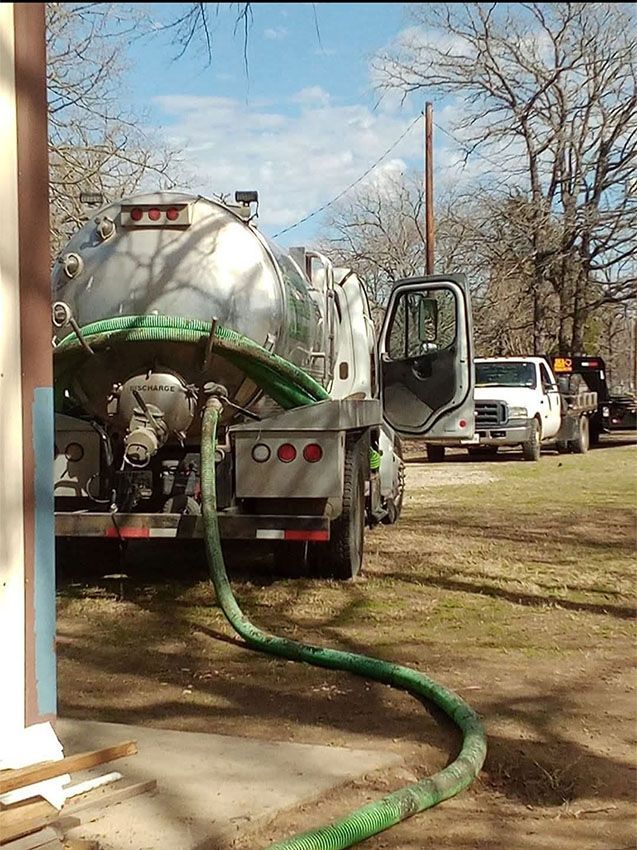
Peak Septic and Utilities safely removes wastewater and solids from septic tanks using professional vacuum equipment. The service prevents overfilling that can damage plumbing and drainfields, and it is essential for residential homes and commercial facilities. Pumping is often scheduled as part of ongoing maintenance programs, and it is recommended before inspections or property transactions. The process is completed efficiently to reduce downtime and restore normal system function.
If your septic tank in Canton, Greenville, or Athens, TX is due for pumping or showing signs of overfilling, contact Peak Septic and Utilities to schedule a service appointment.
What You Notice After the Tank Is Pumped
The pumping process starts with locating the tank access, removing the lid, and using a vacuum truck to extract all liquids and solids. In Canton, Greenville, Athens, TX, and surrounding areas, where older systems may have harder-to-reach lids, the technician ensures access is cleared safely before pumping begins. The tank is emptied completely, and the interior is checked for visible damage or blockages during the process.
After pumping, your plumbing drains normally again, odors near the tank disappear, and the system resumes processing wastewater without hesitation. The tank regains the space it needs to separate solids from liquids, which keeps particles from entering the drainfield and causing long-term damage. This reset allows the system to function as designed until the next pumping interval.
The service does not include repairs to broken components or drainfield restoration, but it does provide a clear view of the tank's condition at the time of service. If the technician notices cracks, corroded baffles, or other issues, you will receive a straightforward explanation and recommendations. Pumping is most effective when completed before symptoms become severe.
What Property Owners Want to Understand
Homeowners and business operators in Canton, Greenville, Athens, TX, and surrounding areas often ask about pumping frequency, timing around inspections, and what to expect during the appointment.
Peak Septic and Utilities provides septic tank pumping throughout Canton, Greenville, Athens, TX, and surrounding areas, serving residential and commercial properties with reliable vacuum equipment and straightforward service. If you need to schedule pumping or want to confirm your maintenance timeline, learn more by reaching out to discuss your system and set up an appointment.